

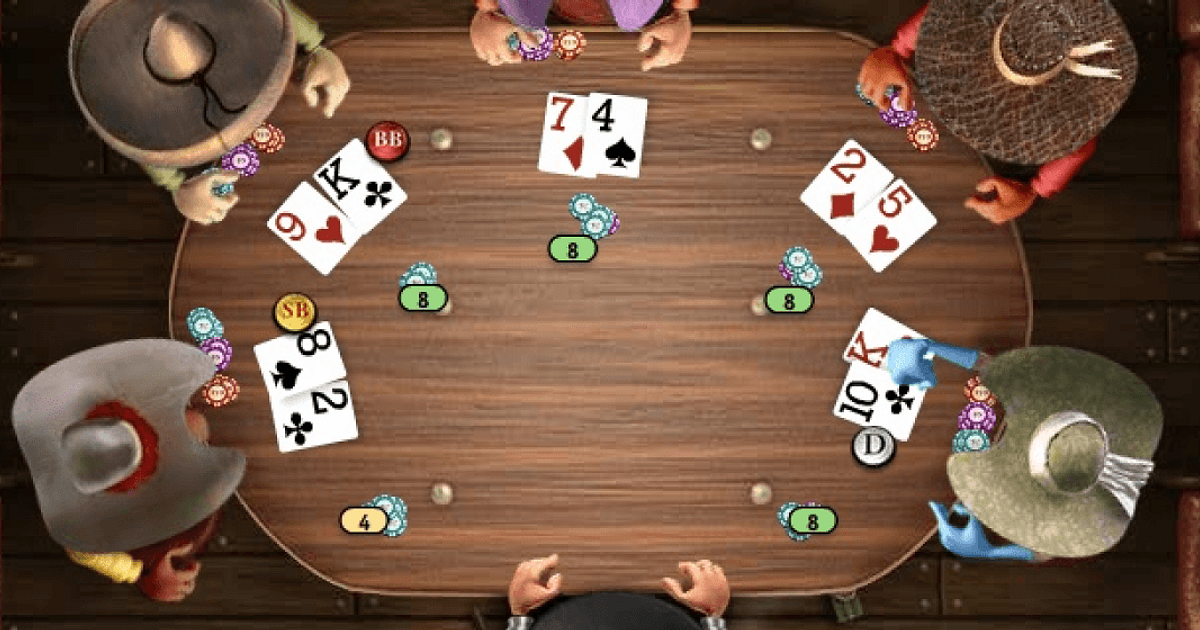
Introduction to a Timeless Card Game
Card games have entertained people for centuries, but few have achieved the global recognition and respect earned by Game Poker. Known for its mix of chance, psychology, and mathematical thinking, this card game has grown far beyond casual entertainment. It is now seen as both a competitive sport and a mental challenge. Players from different cultures and backgrounds are drawn to it because it rewards patience, discipline, and smart decision-making rather than pure luck alone.
The Evolution and Cultural Impact
The roots of poker can be traced back hundreds of years, evolving through various forms before becoming the structured game we know today. As Game Poker developed, it adapted to social changes, new rules, and different playing styles. From smoky back rooms to international tournaments broadcast worldwide, poker has become a symbol of strategic thinking and emotional control. Its presence in popular culture, movies, and literature has further solidified its reputation as a game of intellect and nerve.
Understanding the Core Rules
At its foundation, poker is simple to learn but difficult to master. Players are dealt cards, bets are placed, and the best hand—or the smartest bluff—wins the pot. What makes Game Poker unique is the balance between visible information and hidden intentions. Every action at the table sends a message, whether intentional or not. Learning the rules is only the first step; understanding how and when to apply them separates beginners from experienced players.
Strategy and Skill Development
Success in Game Poker depends heavily on long-term strategy rather than short-term outcomes. Skilled players analyze probabilities, observe opponents, and manage their resources carefully. Emotional control plays a huge role, as frustration and overconfidence often lead to costly mistakes. Bankroll management, position awareness, and hand selection are essential skills that improve over time. The game rewards those who are willing to study, practice, and reflect on their decisions after every session.
The Psychological Element
One of the most fascinating aspects of poker is its psychological depth. Reading opponents, spotting patterns, and controlling one’s own behavior are crucial elements. In Game Poker, a well-timed bluff can be as powerful as a strong hand. Players must balance aggression with caution, constantly adapting to the dynamics of the table. This mental duel makes every round unique and keeps the game endlessly engaging.
Why Poker Continues to Grow
The lasting popularity of poker lies in its flexibility and depth. It can be played casually among friends or at the highest professional level. Game Poker appeals to people who enjoy challenges that test both logic and intuition. With countless variations and formats, the game never becomes repetitive. Each hand offers a new problem to solve, ensuring that players remain mentally stimulated and invested.
Conclusion
Poker is more than a card game; it is a test of skill, patience, and human understanding. Whether played for fun or competition, Game Poker continues to captivate players by offering an experience that blends strategy with psychological insight. Its enduring appeal proves that a game built on thoughtful decision-making and self-control will always stand the test of time.
